

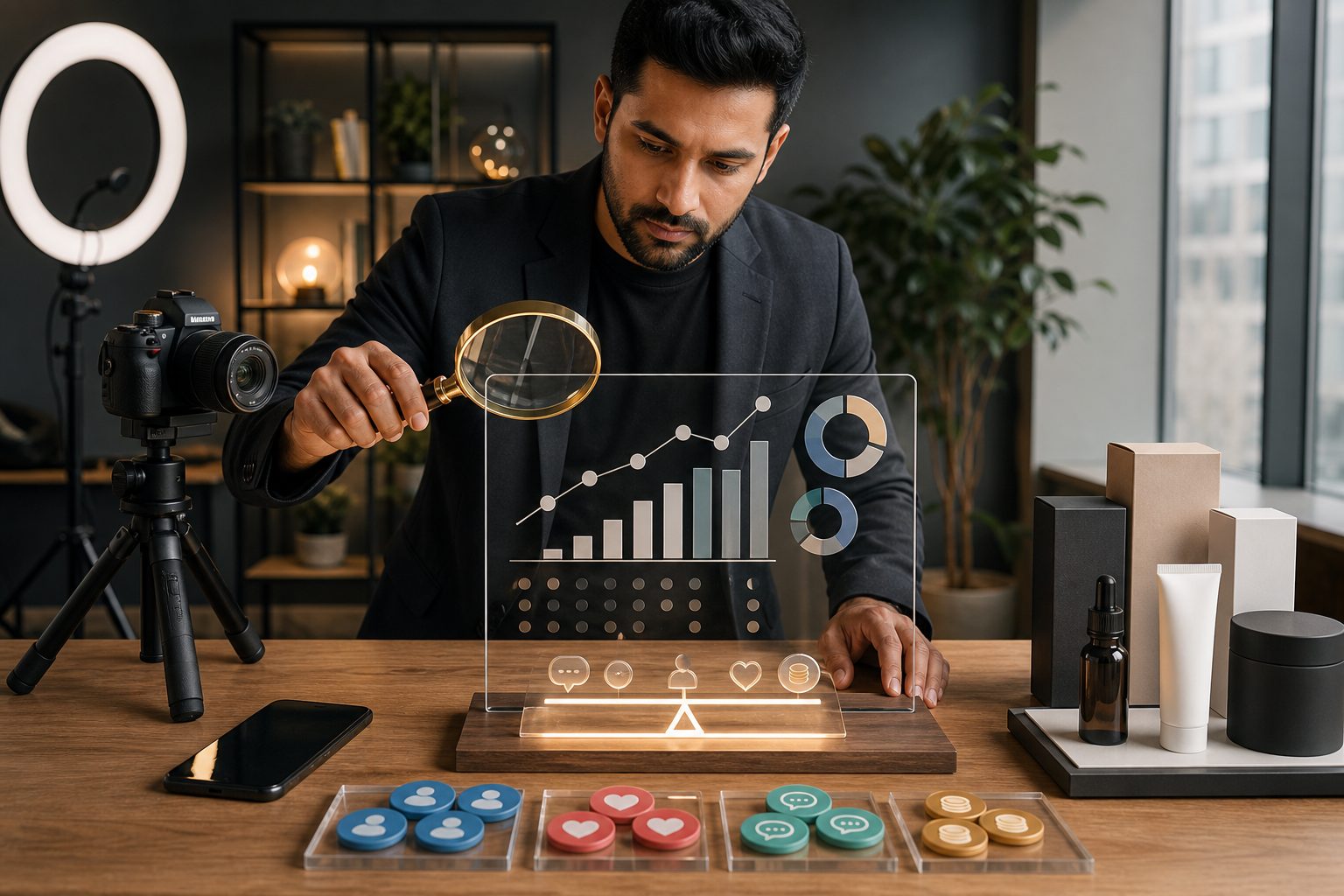
Learning how to measure influencer success the right way matters because influencer marketing can look impressive on the surface while still failing to move the business forward. Likes, views, and follower counts are useful signals, but they do not tell the whole story. A campaign may create awareness, drive sales, improve brand trust, generate content, or support long-term customer loyalty. Each goal needs different metrics, different tracking methods, and a clear way to judge performance. In this guide, you will learn what influencer success really means, why measurement matters, which metrics to track, how to connect results to business goals, and how to avoid common reporting mistakes. You will also see practical examples, best practices, expert tips, and FAQs that make influencer campaign measurement easier to apply in real marketing decisions.
What Influencer Success Really Means
Influencer success is not one single number. It is the match between what your campaign was supposed to achieve and what actually happened after the influencer content went live.
1. Goal Alignment
A campaign is successful when its results match the original goal. If the goal was awareness, reach and impressions matter most. If the goal was revenue, conversions and order value matter more. Clear goals keep teams from judging every campaign by the same narrow scorecard.
2. Audience Fit
An influencer can have strong numbers but still be the wrong fit if their audience does not match your target customer. Measuring audience quality helps you see whether the campaign reached people who are likely to care, engage, remember, and eventually buy.
3. Engagement Quality
Engagement is more useful when it shows real attention. Comments, saves, shares, questions, and direct messages often reveal more intent than passive likes. Strong engagement quality means people are not only seeing the content but also reacting in a meaningful way.
4. Brand Impact
Influencer success can include softer outcomes such as brand trust, sentiment, recall, and credibility. These results may not show up as instant sales, but they can influence future buying decisions and improve how people feel about your brand over time.
5. Business Results
Business results include sales, leads, sign-ups, downloads, bookings, or any measurable action that supports growth. These outcomes are especially important for performance campaigns, where the brand needs to prove that influencer spend created measurable commercial value.
6. Long-Term Value
A strong influencer partnership may keep producing value after the campaign ends. Content can be reused, followers may convert later, and brand familiarity can increase over time. Measuring long-term value prevents you from judging everything only by first-week results.
Why Measuring Influencer Campaigns Matters
Measurement turns influencer marketing from a creative experiment into a manageable growth channel. Without it, teams rely on opinions, screenshots, and incomplete assumptions.
- Better Budget Decisions: Measurement shows which creators, platforms, and content types deserve more investment.
- Clearer Campaign Planning: Past data helps brands set realistic goals and avoid repeating weak tactics.
- Stronger Creator Selection: Performance history helps identify influencers who drive quality attention, not just high visibility.
- Improved Internal Reporting: Clear metrics make it easier to explain results to managers, founders, or clients.
- Higher Return On Investment: Tracking results helps brands shift money toward campaigns that create measurable value.
- More Honest Optimization: Reliable data shows what worked, what missed, and what should change next time.
Set Influencer Success Goals First
The right measurement plan starts before the campaign launches. When goals are vague, reports become confusing and results are easy to misread.
1. Awareness Goals
Awareness goals focus on getting the brand in front of the right people. Useful metrics include reach, impressions, video views, follower growth, and branded search lift. These campaigns are best measured by visibility and relevance rather than immediate purchases alone.
2. Engagement Goals
Engagement goals measure whether people care enough to interact with the content. Comments, saves, shares, reactions, poll responses, and story replies can all matter. The key is to look beyond totals and examine whether the engagement reflects genuine interest.
3. Traffic Goals
Traffic goals are useful when you want influencers to send people to a website, landing page, product page, or app store listing. Clicks, sessions, click-through rate, bounce rate, and time on site help show whether the audience moved from content to action.
4. Lead Goals
Lead generation goals measure actions such as email sign-ups, form submissions, webinar registrations, quiz completions, or sample requests. These campaigns need clear tracking links and conversion events so you can connect influencer activity to actual prospects.
5. Sales Goals
Sales goals are common for ecommerce and direct response campaigns. Track purchases, revenue, discount code use, conversion rate, average order value, and customer acquisition cost. Sales goals work best when the influencer content includes a clear offer and simple buying path.
6. Content Goals
Sometimes the brand mainly wants high-quality creator content it can reuse in ads, emails, product pages, or social channels. In this case, success includes creative quality, usage rights, content volume, production savings, and how well the assets perform later.
Choose The Right Influencer Metrics
Metrics should help explain progress toward the campaign goal. A balanced scorecard usually includes visibility, interaction, action, and efficiency metrics.
1. Reach And Impressions
Reach shows how many unique people saw the content, while impressions show how many total times it appeared. These metrics are useful for awareness campaigns, but they should be reviewed with audience fit because large exposure means little if the wrong people saw it.
2. Engagement Rate
Engagement rate compares interactions to audience size or impressions. It helps you judge whether the content sparked attention relative to its exposure. A smaller influencer with a strong engagement rate may outperform a larger creator with a passive audience.
3. Click-Through Rate
Click-through rate shows how many viewers took the next step after seeing influencer content. It is especially useful for traffic, lead, and sales campaigns. A low rate may point to weak messaging, poor offer fit, or a confusing call to action.
4. Conversion Rate
Conversion rate measures how many visitors completed the desired action after clicking. This could be a purchase, sign-up, booking, or download. It helps separate creators who generate curiosity from creators who attract people ready to take action.
5. Cost Per Result
Cost per result connects campaign spend to outcomes such as clicks, leads, sales, or content assets. It helps compare influencers with different fees and audience sizes. This metric is useful when deciding which partnerships are efficient enough to repeat.
6. Return On Investment
Return on investment compares the value generated by the campaign with the cost of running it. It can include direct revenue, estimated media value, content production savings, or lifetime customer value. The formula should match the campaign objective and business model.
Build A Reliable Influencer Measurement Process
A simple process keeps influencer reporting clean from planning to post-campaign review. It also reduces the risk of missing important data.
- Define The Campaign Goal: Decide whether the campaign is focused on awareness, engagement, traffic, leads, sales, content, or loyalty.
- Select Primary Metrics: Choose a small set of metrics that directly match the goal instead of tracking everything equally.
- Create Tracking Tools: Use discount codes, tracking links, landing pages, platform analytics, surveys, or conversion events.
- Capture Baseline Data: Record current traffic, sales, followers, search demand, or engagement before the campaign begins.
- Monitor Performance Live: Check early results so you can support strong posts, fix broken tracking, or adjust messaging quickly.
- Review Results By Creator: Compare each influencer by outcome quality, cost, audience fit, and content usefulness.
- Document Lessons Learned: Save insights about timing, platform, creative angle, offer, and audience response for future campaigns.
Examples Of Measuring Influencer Success
Examples make measurement easier because they show how different goals require different success signals and reporting choices.
1. Product Launch Campaign
For a product launch, success may include reach, video views, comments, saved posts, product page visits, and early sales. The goal is not only to sell immediately but also to introduce the product clearly and create market awareness around its benefits.
2. Ecommerce Sales Campaign
An ecommerce campaign should track discount code use, attributed revenue, conversion rate, average order value, and customer acquisition cost. If an influencer drives many clicks but few purchases, review whether the audience, price point, offer, or landing page needs improvement.
3. Brand Awareness Campaign
A brand awareness campaign should focus on reach, impressions, view completion, follower growth, branded search interest, and sentiment. It should not be judged only by sales, because many people may need repeated exposure before they are ready to buy.
4. Lead Generation Campaign
For lead generation, measure sign-ups, form completions, cost per lead, lead quality, and follow-up conversion. A campaign with fewer but better leads may be more valuable than one with many low-intent contacts who never move further in the sales process.
5. Event Promotion Campaign
An event campaign can be measured through registrations, ticket sales, referral codes, story clicks, reminders saved, and attendance. Influencers can also help explain why the event matters, which may increase trust and urgency among people who are still deciding.
6. Content Repurposing Campaign
If the goal is creator content, measure asset quality, number of usable posts, production savings, approval speed, and performance when reused in paid ads. This type of campaign may be valuable even when the influencer’s original post is not the main conversion driver.
Common Influencer Measurement Mistakes To Avoid
Many brands collect influencer data but still reach the wrong conclusion. These mistakes can make good campaigns look weak or weak campaigns look better than they are.
1. Measuring Only Vanity Metrics
Likes and views can be useful, but they are incomplete on their own. A campaign with high views may still fail if it reaches the wrong audience or drives no meaningful action. Pair surface metrics with engagement quality, clicks, conversions, and sentiment.
2. Ignoring The Campaign Goal
Judging every campaign by sales creates unfair reporting, especially when the real purpose was awareness or content creation. Start with the goal, then choose the metric. This prevents teams from calling a campaign unsuccessful simply because they measured the wrong outcome.
3. Using Inconsistent Tracking
If each creator uses different links, codes, landing pages, or reporting windows, comparison becomes unreliable. Consistent tracking helps you see true performance differences. It also makes it easier to explain results clearly when several influencers are involved.
4. Overlooking Audience Quality
A large audience is not automatically valuable. Fake followers, poor demographic fit, low trust, or weak relevance can reduce campaign impact. Always review audience data, content history, engagement patterns, and comment quality before making performance judgments.
5. Reporting Too Quickly
Some influencer campaigns need time to convert. People may watch, compare, save, revisit, and buy later. Reporting only on the first day can miss delayed sales, assisted conversions, and longer-term brand lift, especially for higher-priced products.
6. Forgetting Content Value
Creator content can have value beyond the original post. If a brand can reuse strong videos or photos in ads, emails, and product pages, that production value should be considered. Ignoring it may understate the true return from the partnership.
Best Practices For Influencer Success Measurement
Strong measurement is practical, consistent, and tied to decision-making. These best practices help teams create reports that actually improve future campaigns.
1. Choose One Primary KPI
Every campaign should have one main success metric supported by secondary metrics. This keeps reporting focused and prevents teams from cherry-picking whatever number looks best. The primary KPI should connect directly to the campaign’s business purpose.
2. Use Unique Tracking For Each Influencer
Give every creator their own code, link, landing page, or tracking setup whenever possible. This makes it easier to compare performance fairly. It also helps identify which influencers drove revenue, leads, traffic, or engagement with the strongest quality.
3. Review Both Quantitative And Qualitative Data
Numbers show scale, but comments and messages show meaning. Review what people are saying, what questions they ask, and whether the tone is positive. Qualitative data can explain why a campaign performed well or where the message failed.
4. Compare Similar Influencers Fairly
Do not compare a niche micro-influencer directly with a celebrity creator using the same expectations. Audience size, platform, content format, fee, and goal all affect results. Fair comparison helps you make better partnership decisions.
5. Track Results Beyond The Post Date
Influencer content can keep influencing decisions after the first wave of engagement. Track delayed clicks, sales, search activity, and follower growth over a reasonable window. The right window depends on product price, buying cycle, and campaign objective.
6. Turn Reports Into Actions
A report should explain what to do next, not just what happened. Identify which creators to rebook, which messages to improve, which offers performed best, and which platform deserves more testing. Measurement is only useful when it guides decisions.
Key Influencer Success Factors
Several factors affect whether influencer marketing results are strong, weak, or misleading. Pay attention to these before judging campaign performance.
- Audience Relevance: The influencer’s followers should match your target customer in interests, needs, location, and buying behavior.
- Creator Trust: Audiences respond better when the influencer has credibility and a history of honest recommendations.
- Content Fit: The message should feel natural to the creator’s style while still explaining the brand clearly.
- Offer Strength: A clear benefit, discount, bundle, or reason to act can improve traffic and conversions.
- Tracking Accuracy: Reliable links, codes, and analytics help prevent underreporting or overclaiming results.
Advanced Influencer Measurement Tips
Once the basics are in place, advanced measurement can show deeper value, especially across longer campaigns and multiple channels.
1. Measure Assisted Conversions
Influencer content often starts the buying journey rather than finishing it. Assisted conversion tracking helps show when a creator introduced someone to the brand before that person returned later through search, email, paid ads, or direct website visits.
2. Use Brand Lift Surveys
Brand lift surveys can measure changes in awareness, recall, preference, or purchase intent. They are useful when the campaign goal is not immediate sales. Survey data adds context to platform metrics and helps prove softer marketing impact.
3. Segment New And Returning Customers
Influencer campaigns may bring in first-time buyers or encourage existing customers to buy again. Separating these groups helps you evaluate acquisition value, loyalty impact, and customer quality more accurately than looking at total sales alone.
4. Compare Organic And Paid Amplification
Some influencer content performs better when boosted with paid media. Compare organic results against amplified results to see whether the creative scales. This can help you decide which creator assets deserve additional ad spend.
5. Track Sentiment Over Time
Sentiment can shift as more people discuss the brand. Review comments, reviews, messages, and social mentions before, during, and after the campaign. Positive sentiment can support trust, while recurring objections can reveal issues with messaging or product positioning.
6. Calculate Content Production Savings
If creator content replaces studio shoots or supports paid ads, include reasonable production savings in your evaluation. This does not replace revenue tracking, but it gives a fuller picture of campaign value when high-quality assets are part of the brief.
Future Trends In Influencer Measurement
Influencer measurement is becoming more detailed as platforms, privacy rules, and buyer behavior continue to change. Brands need flexible reporting methods.
1. More Focus On First-Party Data
As tracking becomes more limited across platforms, brands will rely more on owned data such as email sign-ups, customer surveys, loyalty accounts, and direct website behavior. This makes clean data collection more important before campaigns begin.
2. Stronger Creator Performance Benchmarks
Brands will increasingly compare creators by historical outcomes, not only follower counts. Benchmarks for engagement quality, conversion efficiency, content reuse, and audience fit will help marketers choose partners with stronger evidence behind them.
3. Better Multi-Touch Attribution
Influencer content often works alongside paid search, social ads, email, and organic content. Better attribution models will help brands see how creators contribute across the customer journey instead of giving all credit to the final click.
4. Increased Attention To Authenticity
Brands will measure authenticity more carefully by reviewing comment quality, audience trust, content consistency, and creator-brand fit. As audiences become more selective, genuine recommendations will matter more than polished but disconnected promotions.
5. More Use Of Creator Content In Paid Media
Influencer measurement will include how creator assets perform outside the original post. Brands will track ad results from creator videos, testimonials, and product demos to understand which partnerships create the most reusable marketing value.
6. Clearer Reporting On Long-Term Value
Future reporting will look beyond immediate campaign windows. Metrics such as repeat purchases, customer lifetime value, retention, and brand search growth will help show whether influencer partnerships create durable business impact over time.
Frequently Asked Questions
1. What Is The Best Way To Measure Influencer Success?
The best way is to start with one clear campaign goal and choose metrics that match it. Awareness campaigns need reach and recall metrics, while sales campaigns need revenue, conversion rate, and cost per purchase. Good measurement connects influencer activity to a specific business outcome.
2. Are Likes A Good Influencer Success Metric?
Likes can show quick interest, but they should not be the main measure of success. They are easy to collect but often shallow. Pair likes with comments, saves, shares, clicks, conversions, sentiment, and audience quality to understand whether the campaign truly worked.
3. How Do You Measure Influencer ROI?
Influencer ROI compares the value created with the total campaign cost. Value may include direct revenue, leads, content assets, or customer lifetime value. The most accurate calculation depends on the campaign goal, tracking setup, attribution window, and how the brand defines return.
4. How Long Should You Track Influencer Campaign Results?
The tracking window should match the buying cycle. A low-cost product may show results within days, while expensive or considered purchases may take weeks. Many brands review immediate performance first, then check delayed clicks, sales, and brand signals over a longer period.
5. What Metrics Matter Most For Brand Awareness?
For brand awareness, useful metrics include reach, impressions, video views, view completion, follower growth, branded search interest, sentiment, and audience relevance. These metrics show whether the campaign introduced the brand to the right people and created meaningful visibility.
6. Why Do Influencer Campaigns Sometimes Look Successful But Fail?
Campaigns can look successful when they generate high views or likes but fail to reach the right audience or drive useful action. This often happens when brands focus on vanity metrics, choose poor-fit creators, use weak offers, or fail to set clear goals.
Conclusion
To measure influencer success the right way, start with a clear goal, choose relevant metrics, use reliable tracking, and evaluate both numbers and audience response. Success can mean awareness, engagement, leads, sales, content value, or long-term brand impact, depending on the campaign.
The strongest influencer reports do more than summarize performance. They explain what happened, why it happened, and what should change next time. When measurement is tied to real business goals, influencer marketing becomes easier to improve, scale, and trust.